The word "Kambi" literally translates to "wire" or "rod" in Malayalam, used colloquially to mean "erect" or "aroused." "Katha" simply means "story."
Unlike Western erotica, these stories use local settings (tharavadu, rubber estates, rains) and familiar cultural nuances that resonate with the Malayali diaspora. mallu kambi katha top
The future of Malayalam cinema is perhaps the ultimate reflection of Kerala culture. For decades, the industry was ruled by two "superstars"—Mammootty and Mohanlal. Unlike the demi-gods of Tamil or Telugu cinema, these stars played drunks, thieves, and failures. They were "the boy next door" who made it big. This humility (the "sensible star" system) mirrors a Keralite trait: a cultural aversion to overt flamboyance. The word "Kambi" literally translates to "wire" or
: Avoid downloading files from unverified sources or providing personal information (emails/phone numbers) to access "premium" stories. Unlike the demi-gods of Tamil or Telugu cinema,
Unlike mainstream Indian cinema, Malayalam films have never shied away from Kerala’s fierce political identity.
Kerala’s demographic fabric—a harmonious blend of Hinduism, Islam, and Christianity—is woven naturally into its cinematic universe. Festivals like Onam, Thrissur Pooram, and local church or mosque feasts frequently serve as pivotal plot points, celebrating the secular spirit ( Matheru ) that defines local community life. The Evolution of Gender and Domesticity


 Beijing + Tibet Tours
 Chengdu + Tibet Tours
 Shanghai + Tibet Tours
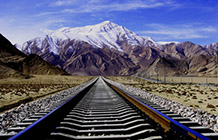 Xining + Tibet Tours
 7 Days Join-in Lhasa to Kathmandu Overland Tour
 7 Days Private Lhasa to Kathmandu Overland Tour via Mount Everest
 7 Days Kathmandu to Lhasa Private Tour via Mount Everest
 8 Days Kathmandu to Lhasa with Mount Everest Adventure by Flight


