Download the app
Just click on the below buttons to download our app !
The you use (SIEM, firewall, or endpoint detection?)
Using a domain for just a few hours before discarding it, often moving faster than human-curated lists can update.
For malware analysts and researchers, the database was a critical resource for sample collection. The URLs listed by malc0de served as a direct source of live malware, enabling researchers to download the latest malicious files for study. This practice led to the creation of several open-source "malware crawlers" and "zoo builders." Projects like mwcrawler and ph0neutria would automatically parse malc0de’s RSS feed, download the malicious binaries from the listed URLs, and store them in an organized manner for analysis. This allowed researchers to build massive, up-to-date malware collections to study new techniques, test detection signatures, and train machine learning models.
The malc0de database (stylized as malc0de ) is a free, publicly accessible repository that tracks malicious URLs and domains used to distribute malware. Unlike search engines that index the entire web, malc0de specifically focuses on sources—websites that automatically download malware to a visitor's computer without their consent or knowledge.
: Networking routing prefixes that allowed defenders to see which hosting providers or ISPs frequently tolerated malicious infrastructure.
The database tells you that a URL is bad, but rarely why . It doesn't provide YARA rules, malware hashes (often), or detailed attack kill chains. It is a , not a full threat report.
to automate the extraction of these features, or more details on integrating this into a specific tool? intelmq-feeds-documentation/Malc0de/malc0de.md at master
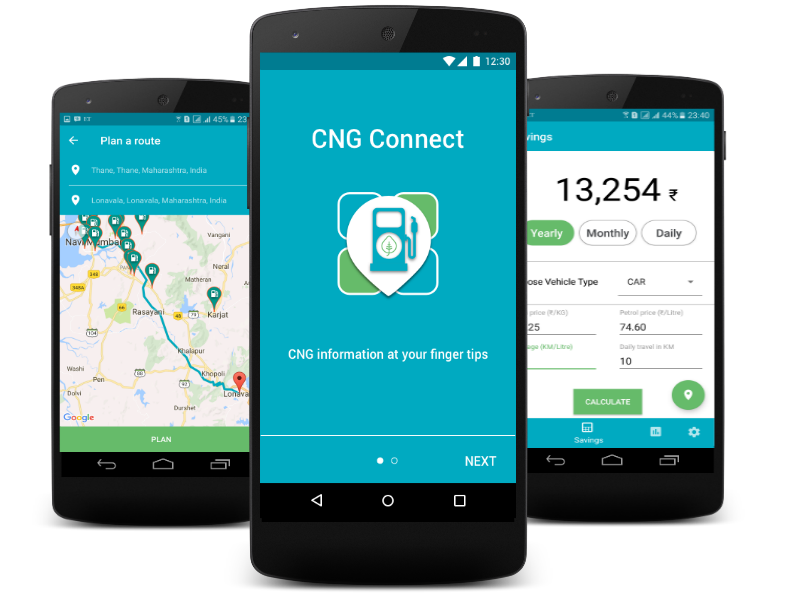
Check out what CNG Eco Connect app has to offer you
Just click on the below buttons to download our app !
The you use (SIEM, firewall, or endpoint detection?)
Using a domain for just a few hours before discarding it, often moving faster than human-curated lists can update. malc0de database
For malware analysts and researchers, the database was a critical resource for sample collection. The URLs listed by malc0de served as a direct source of live malware, enabling researchers to download the latest malicious files for study. This practice led to the creation of several open-source "malware crawlers" and "zoo builders." Projects like mwcrawler and ph0neutria would automatically parse malc0de’s RSS feed, download the malicious binaries from the listed URLs, and store them in an organized manner for analysis. This allowed researchers to build massive, up-to-date malware collections to study new techniques, test detection signatures, and train machine learning models. The you use (SIEM, firewall, or endpoint detection
The malc0de database (stylized as malc0de ) is a free, publicly accessible repository that tracks malicious URLs and domains used to distribute malware. Unlike search engines that index the entire web, malc0de specifically focuses on sources—websites that automatically download malware to a visitor's computer without their consent or knowledge. This practice led to the creation of several
: Networking routing prefixes that allowed defenders to see which hosting providers or ISPs frequently tolerated malicious infrastructure.
The database tells you that a URL is bad, but rarely why . It doesn't provide YARA rules, malware hashes (often), or detailed attack kill chains. It is a , not a full threat report.
to automate the extraction of these features, or more details on integrating this into a specific tool? intelmq-feeds-documentation/Malc0de/malc0de.md at master