Gay Comics Handjobs Magazine Anthology Vol 20 Pdf Best
Краткое описание/Полное описание
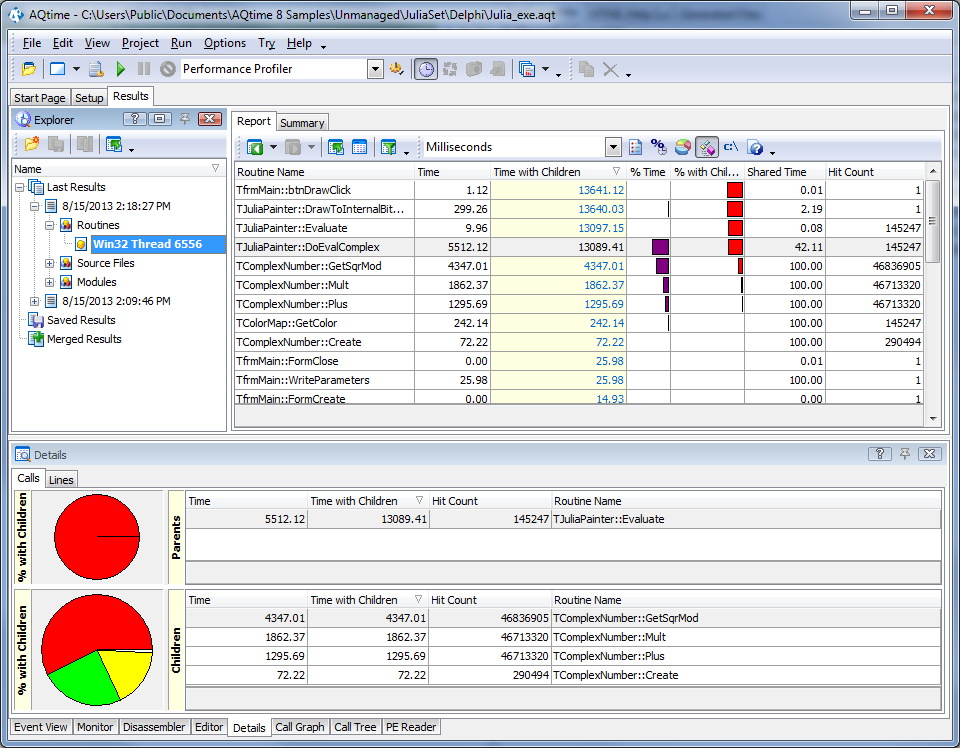 AQtime - это инструмент для повышения производительности и улучшения качества приложений. AQtime может анализировать 32 и 64-ех разрядные Windows, .NET, Silverlight и Java приложения, созданные с помощью C#, VB.NET, Visual C++, Visual Basic, Delphi, C++Builder, Intel C++, Compaq Visual Fortran и GNU C++ компиляторов. AQtime также поддерживает работу с JScript и VBScript кодом. AQtime интегрируется в Visual Studio, а также в Embarcadero RAD Studio, что позволяет находить узкие места и оптимизировать ваши программы, не покидая среды разработки.
In short:
Published in the late 1990s by , Volume 20 is part of a legacy established by publisher Winston Leyland. Leyland was a significant figure in gay literary history, known for publishing works that ranged from high-brow literature and poetry to explicit comic anthologies like the Meatmen series. Characteristics of the Anthology:
Early queer comics emerged from the broader underground "comix" movement, which rejected the strict censorship of the Comics Code Authority. Artists used these unregulated spaces to reflect the realities of gay life, ranging from the struggles of liberation movements to unapologetic sexual fantasy.
First, physical copies of these magazines and anthologies, especially specific volumes, are . These were not mass-market publications sold in every grocery store. They were niche, underground, and produced in limited quantities for a specific audience. Tracking down a physical copy of "Handjobs Anthology Vol. 20" or "Meatmen Vol. 20" today would be like a treasure hunt. It would involve scouring the back rooms of used bookstores, checking listings on specialized online marketplaces, or hoping it appears at a comic book convention. The library systems that hold these collections, such as those at Georgia State University or Michigan State University, have them in special archives for preservation, not for casual checkout.
Files downloaded from untrusted peer-to-peer networks masquerading as comic PDFs frequently contain hidden executable scripts or malware. Alternative Ways to Access Vintage Queer Art