


John J. Macionis was born and raised in Philadelphia, Pennsylvania. He began studying engineering at Cornell University before majoring in sociology and earning a bachelor’s degree. John received a doctorate in sociology from the University of Pennsylvania.
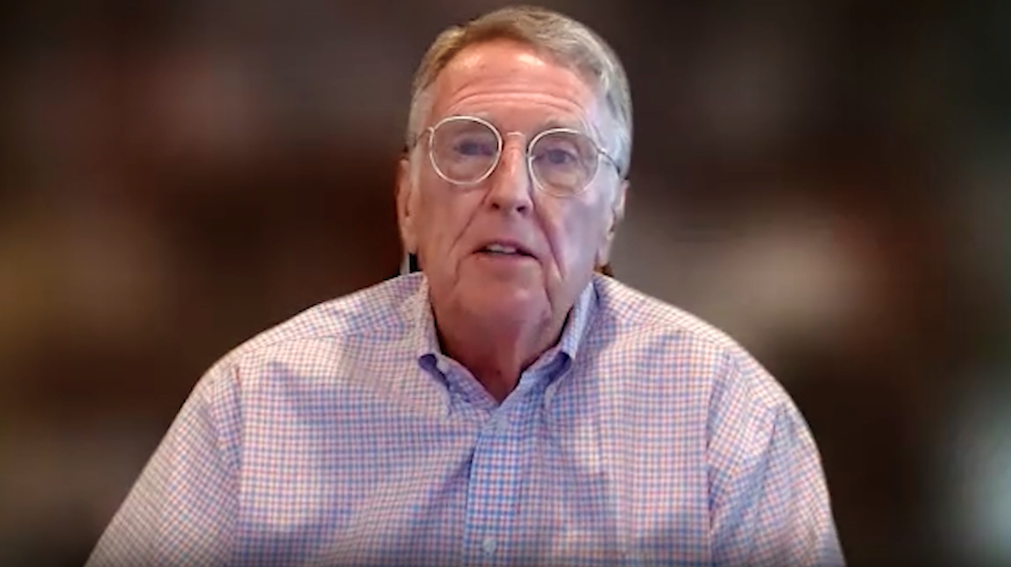
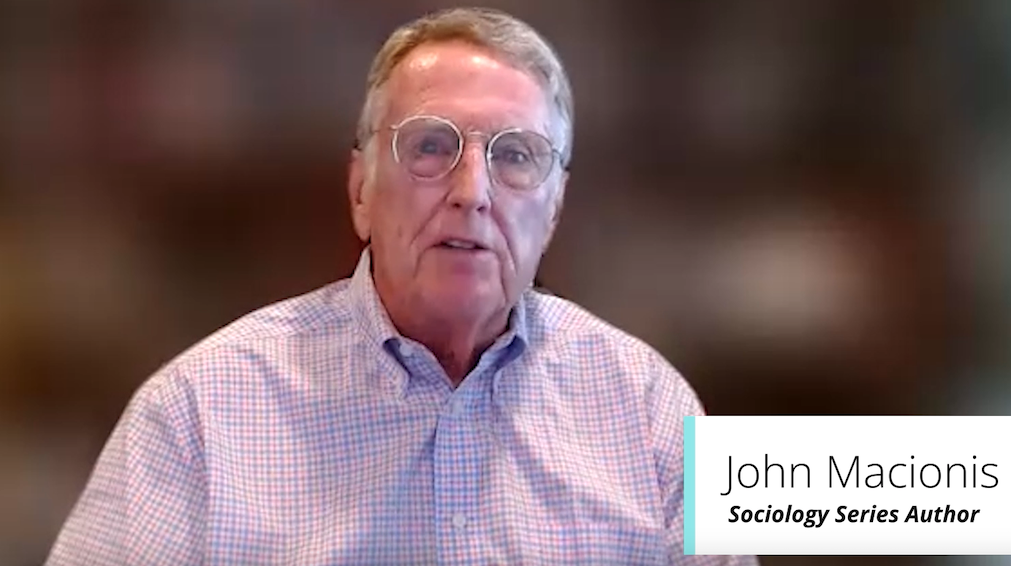
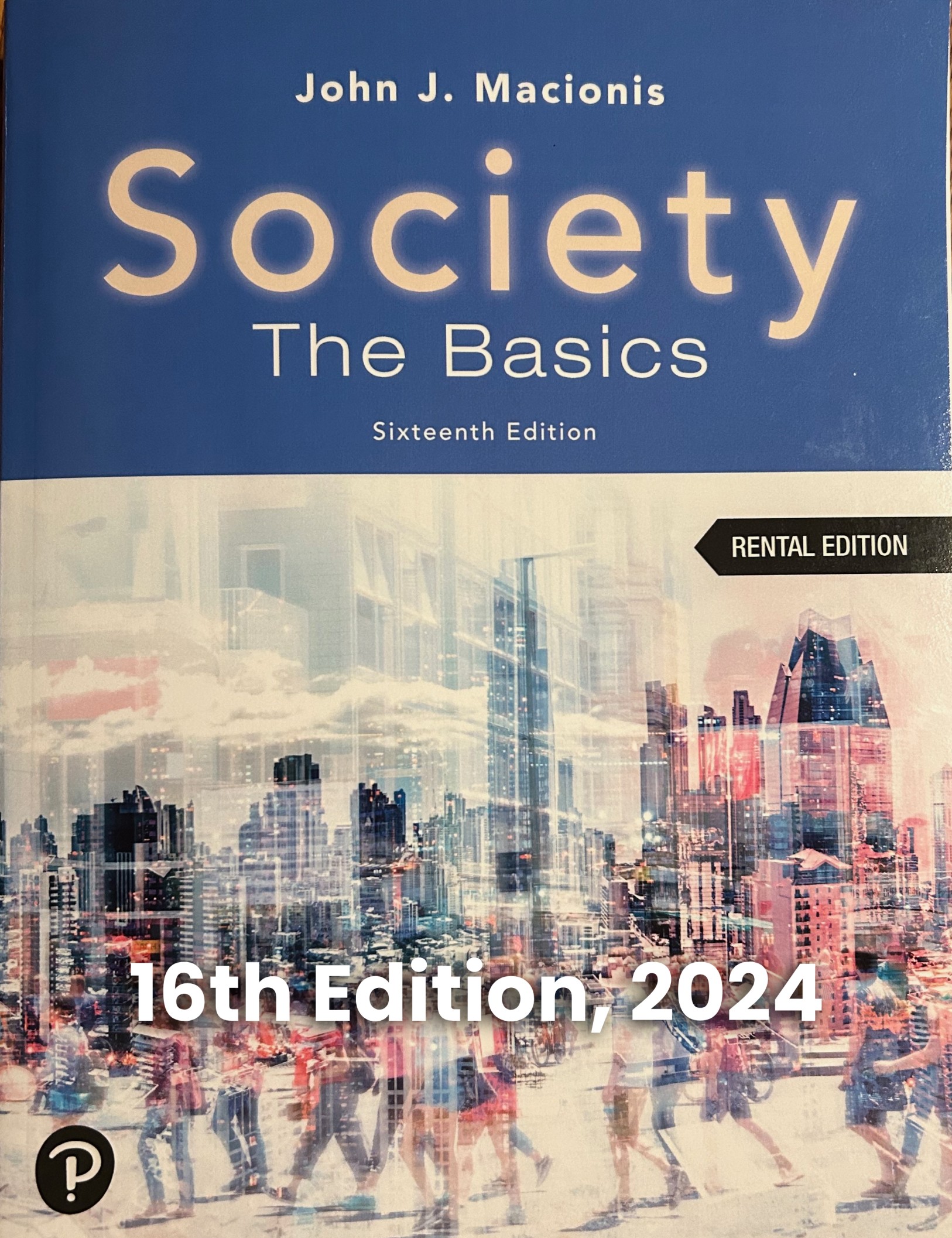
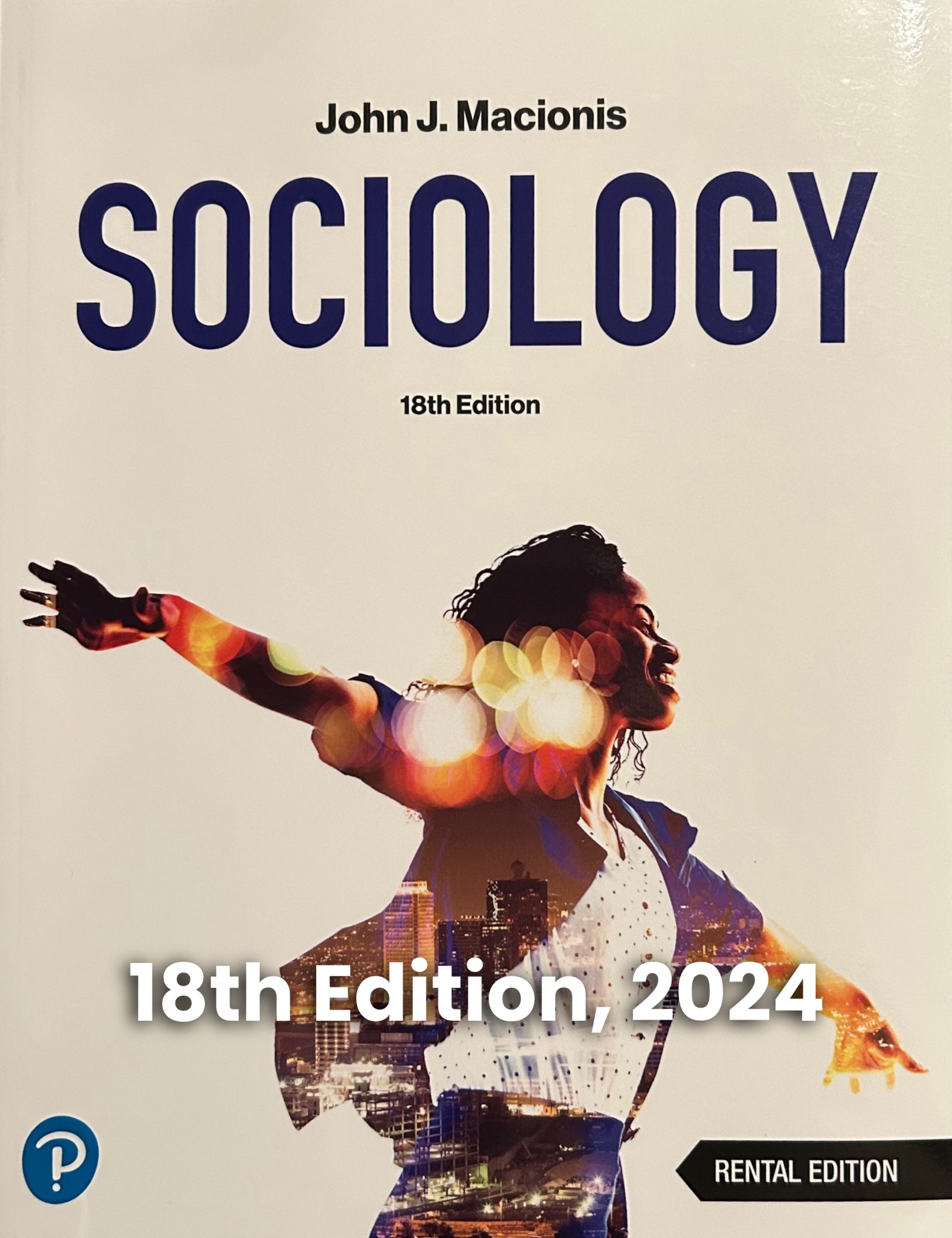
With years of experience across schools, community colleges, and universities, my primary goal has always been to offer the best-in-class material to my colleagues and students. In a rapidly changing world, it’s crucial that textbooks evolve as well. I believe that timely updates to book editions are essential to ensure relevance and accuracy, reflecting new knowledge.

For those interested in exploring related topics, information is available regarding the sociological impacts of the global Filipino diaspora, the history of digital Philippine literature, or the various mental health and support resources specifically tailored for migrant workers and their families. Share public link
He began to speak. His voice was low, a desert rasp. He described opening the door of their bedroom. The creak of the floorboard he knew by heart. The rustle of her nightgown as she stood up. The way he would pull the hair tie from her hair first—always first—letting it fall over her shoulders.
Based on thousands of anonymous posts across Reddit (r/OffMyChestPH), OFW confessions on Facebook, and interviews with returned migrants, three distinct stories emerge:
The Philippines has a long history of labor migration, dating back to the 1970s. However, it wasn't until the 1980s that the term "OFW" became a common household name. During this period, the Philippine economy was facing a severe crisis, leading to widespread unemployment and underemployment. Many Filipinos were forced to seek employment abroad, often in the Middle East, Asia, and other parts of the world.
Set in locations like hospitals, construction sites, hotels, or oil rigs, these stories explore relationships that develop under high-stress working conditions.
The stories generally follow specific formulas that combine the harsh realities of working abroad with explicit romantic or erotic encounters.
For those interested in exploring related topics, information is available regarding the sociological impacts of the global Filipino diaspora, the history of digital Philippine literature, or the various mental health and support resources specifically tailored for migrant workers and their families. Share public link
He began to speak. His voice was low, a desert rasp. He described opening the door of their bedroom. The creak of the floorboard he knew by heart. The rustle of her nightgown as she stood up. The way he would pull the hair tie from her hair first—always first—letting it fall over her shoulders. Kwentong Kalibugan Ofw
Based on thousands of anonymous posts across Reddit (r/OffMyChestPH), OFW confessions on Facebook, and interviews with returned migrants, three distinct stories emerge: He described opening the door of their bedroom
The Philippines has a long history of labor migration, dating back to the 1970s. However, it wasn't until the 1980s that the term "OFW" became a common household name. During this period, the Philippine economy was facing a severe crisis, leading to widespread unemployment and underemployment. Many Filipinos were forced to seek employment abroad, often in the Middle East, Asia, and other parts of the world. The way he would pull the hair tie
Set in locations like hospitals, construction sites, hotels, or oil rigs, these stories explore relationships that develop under high-stress working conditions.
The stories generally follow specific formulas that combine the harsh realities of working abroad with explicit romantic or erotic encounters.


Here is a forty minute video lecture that examines income inequality beginning with my own Kenyon campus and then investigates broader patterns of inequality in diverse work settings, including education, medicine, and the world of finance. The presentation also contrasts public perceptions to the reality of wealth inequality.