Repack | Crucifixion In Bdsm Art
This is a device that allows visually impaired people and even people who does not understand braille be able to create braille labels by simply inputting characters on a computer or android smartphone.
This is a device that allows visually impaired people and even people who does not understand braille be able to create braille labels by simply inputting characters on a computer or android smartphone.

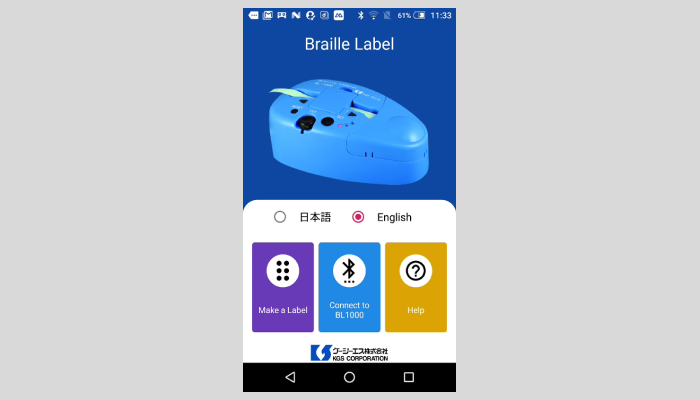
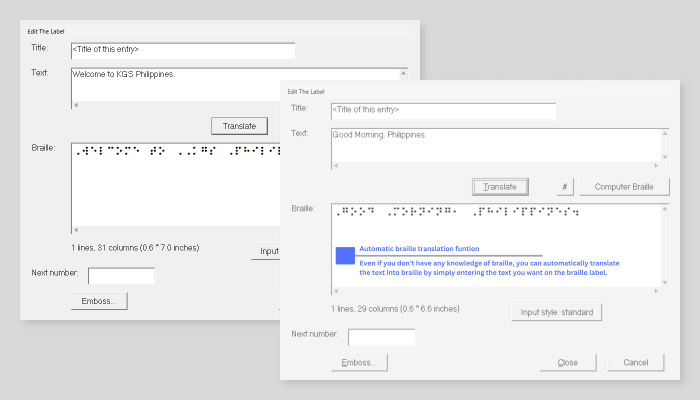
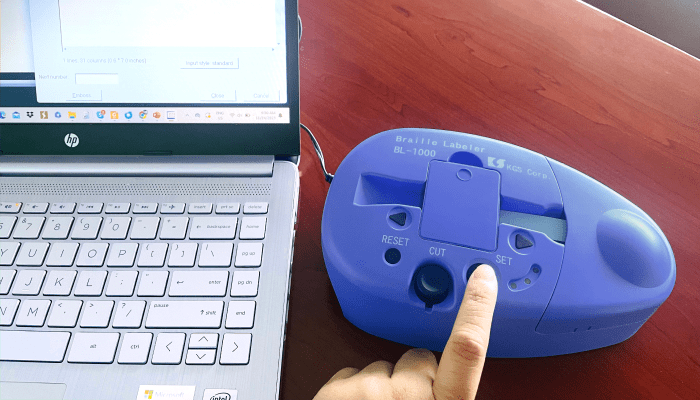
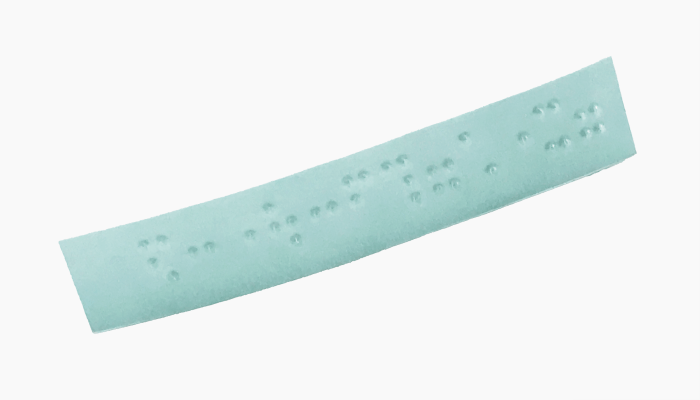
Since we use transparent tape, there will be no covering to the original design, such as cover photos or text.
It has multiple uses, including reading restaurant menus, locating condiments, cabinet organizer and more.
Pioneers like Robert Mapplethorpe approached the subject with cold, classical formality. His crucifixion studies (often featuring himself or model Brian Ridley) were lit like Caravaggio altarpieces—but the context was clearly the New York S&M club The Mineshaft. Mapplethorpe’s work asked: Can a leather harness and a thorn crown occupy the same aesthetic plane? His answer was a resounding yes, though it cost him public funding and nearly landed him on trial for obscenity.
At the intersection of ecstasy and agony, of worship and submission, lies one of the most visually potent and psychologically charged symbols in human history: the cross. For two millennia, the crucifixion of Jesus Christ has stood as the ultimate narrative of sacrificial suffering, humiliation, and transcendence. In the latter half of the 20th century, a provocative artistic subculture began to reclaim that iconography. Within the leather studios, dungeon galleries, and digital art forums of the BDSM community, the crucifixion has been re-imagined—not as a tool of Roman execution, but as the ultimate expression of bondage, endurance, and consensual power exchange.
: This genre of art frequently utilizes the visual language of the Renaissance—such as specific postures, the representation of wounds, and the physical effect of gravity on the body—to foster a sense of "aestheticized death" or intense reflection. Crucifixion in Contemporary Art and Media crucifixion in bdsm art
Whether that trial is called Redemption or Sub-space depends on who is looking. But the body on the cross—trembling, breathing, utterly exposed—remains one of the most powerful images we have. And for better or worse, it now belongs not only to the church, but to the dungeon as well.
Why do people seek out, create, or collect crucifixion BDSM art? The answers fall into three overlapping categories: His answer was a resounding yes, though it
Many subcultures rely on ritual and the creation of a "sacred" boundary separated from everyday life. By incorporating the cross—a symbol of ritualistic sacrifice—artists elevate a scene from a simple physical act to a ceremony of devotion and transformation. Visual Motifs and Mediums
For the BDSM artist, depicting a crucifixion realistically requires understanding the physical limits of the human body. Historical crucifixion killed through asphyxiation: the arms pulled taut forced the rib cage to compress, making exhalation difficult. After hours, the victim could no longer push up to breathe. In the latter half of the 20th century,
: Many modern works draw heavily from Renaissance and Baroque traditions, utilizing dramatic lighting (chiaroscuro) to emphasize anatomical detail and emotional intensity.
TEL:(032) 340-4685
Mail: