BUY A LOGIN KEY 9,90 €
PAY WITH CREDIT CARD

PAY WITH PAYPAL

Select your location below
The 55 Roman is designed for maximum clarity, ensuring that characters are distinguishable even when set in small, dense paragraphs, such as in newspaper formats. 3. Digital Compatibility
Magazines, books, and corporate annual reports.
In 1957, Max Miedinger and Eduard Hoffmann designed Neue Haas Grotesk in Switzerland. Their goal was to create a neutral, legible, and objective typeface that did not carry any intrinsic meaning or political bias. It was later renamed (derived from Helvetia , the Latin name for Switzerland) to make it more marketable internationally. It quickly became the definitive typeface of the International Typographic Style. The 1983 Redesign (Helvetica Neue)
Here’s a concise review of based on typographic standards and common usage contexts.
Corporate identity, signage, long-form editorial content, and UI/UX design. The Legacy of 55 Roman
You can also buy a login key from one of the sales points listed below.
"The app stores are full of different aurora apps, how is this app any different?"
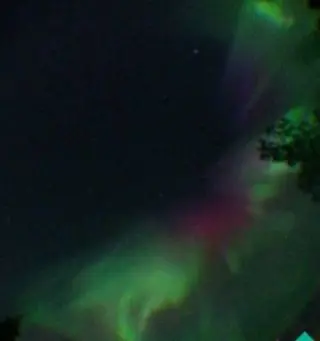
Images below are from our aurora cameras

When your mobile device receives an alert, you will see strength of the Northern Lights, with exact date and time when the alert was issued.
The app has also a 6 hour aurora activity & weather forecast so you can be prepared
when there is high solar activity going on.
You need a login key to the app to receive alerts. The login key is tied to a destination/resort and
you'll receive alerts from only one destination at a time.

The 55 Roman is designed for maximum clarity, ensuring that characters are distinguishable even when set in small, dense paragraphs, such as in newspaper formats. 3. Digital Compatibility
Magazines, books, and corporate annual reports.
In 1957, Max Miedinger and Eduard Hoffmann designed Neue Haas Grotesk in Switzerland. Their goal was to create a neutral, legible, and objective typeface that did not carry any intrinsic meaning or political bias. It was later renamed (derived from Helvetia , the Latin name for Switzerland) to make it more marketable internationally. It quickly became the definitive typeface of the International Typographic Style. The 1983 Redesign (Helvetica Neue)
Here’s a concise review of based on typographic standards and common usage contexts.
Corporate identity, signage, long-form editorial content, and UI/UX design. The Legacy of 55 Roman


